But the outer shells of household appliances, car bumpers, components of new energy batteries, and even precise electronic devices, often do not use ordinary "raw plastics", but rather highly modified high-performance materials. Plastic modification is a core technology that uses physical and chemical methods to transform ordinary plastics "from the inside out", acquiring customized super capabilities such as strength, toughness, flame resistance, and heat resistance. It is the "magician" of the new materials industry and also the core area that Jieshi Chemical has been deeply engaged in for 27 years. ________________________________________
I. Why modify plastics?
Ordinary plastics (such as PP, PE, ABS, PA, etc.) have low costs and are easy to process, but they inherently have performance shortcomings: insufficient strength, poor heat resistance, flammability, aging, and unstable dimensions, which cannot directly meet the demands of high-end industrial applications.
The core value of modification:
1. Performance improvement: Significantly enhance key indicators such as strength, toughness, heat resistance, flame retardancy, anti-static properties, antibacterial properties, weather resistance, etc.
2. Cost optimization: Use low-cost base materials and precise modification to replace metals and engineering plastics, achieving "cost reduction and efficiency improvement".
3. Function customization: Create "tailor-made" special materials for industries such as automobiles, home appliances, new energy, and electronic appliances.
4. Environmental friendliness: Reduce reliance on petroleum, improve degradability, and achieve halogen-free flame retardancy, aligning with the dual carbon goals.
It can be said: Without modification, there would be no plastic applications in modern industry. ________________________________________
II. Four Core Modification Technologies: Comprehensive Analysis of Principles and Applications
1. Reinforcement Enhancement Modification (The Most Basic and Commonly Used)
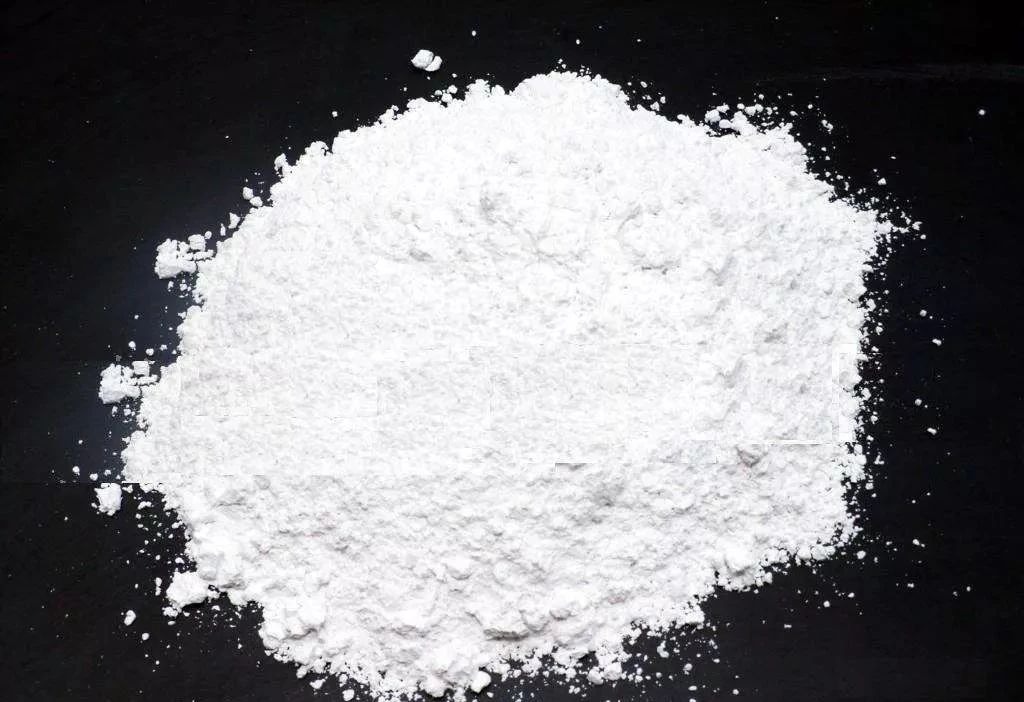
Principle: Add inorganic fillers/fibers (such as calcium carbonate, talc powder, glass fibers, carbon fibers) to the plastic. Through "physical reinforcement", improve rigidity, strength, heat resistance, and dimensional stability.
• Fillers Modification: Adding talc powder, calcium carbonate → cost reduction + rigidity improvement, commonly used in household baseplates, packaging materials.
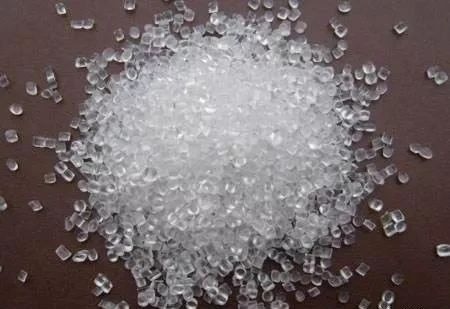
• Reinforcement Modification: Adding glass fibers (GF), carbon fibers (CF) → strength doubled, heat resistance soared.
Example: Ordinary PP has an tensile strength of approximately 30 MPa. After adding 15–25% of elastic materials, the impact strength increases by 3–5 times, making it the preferred material for automotive bumpers, interior parts.
2. Blending Toughening Modification (Solves the "Brittleness" Problem)
Principle: Blend rigid plastics with elastomers/rubber (such as EPDM, SEBS, POE) to form an "island structure" - the elastic particle acts like a "buffer" to absorb impact and prevent crack propagation, significantly improving toughness.
• Example: Pure PP is brittle and prone to cracking at low temperatures; adding 15–25% of elastomers, the impact strength increases by 3–5 times, making it the preferred material for automotive bumpers, interior parts.
• Classic Combination: PC/ABS alloy - combines the high transparency and high strength of PC with the easy processing and high toughness of ABS, used for notebook shells, high-end appliance panels.
3. Chemical Modification (Rebuild Performance at the Molecular Level)
Principle: Through chemical reactions such as grafting, crosslinking, and copolymerization, change the molecular chain structure of the plastic to achieve "essentially upgraded" performance.
• Crosslinking Modification: Linear molecules change to "network structure" → enhanced heat resistance, resistance to solvents, mechanical strength increases significantly (such as crosslinked PE used in pipes, wires and cables).
• Grafting Modification: Introduce functional groups on the molecular chain → improved compatibility, adhesion, weather resistance (such as PP grafted with MAH, solving the problem of fiber/filler dispersion).
• Copolymerization Modification: Polymerize multiple monomers → combine the advantages of multiple resins (such as SAN resin improving the brittleness of PS).
4. Functional Additive Modification (Grant "Special Superpowers" to Plastics)
Principle: Add specific additives to give plastics single or composite functions such as flame retardancy, antibacterial, anti-static, heat conductivity, and weather resistance.
• Flame Retardancy Modification (Core Advantage of Polyethylene): Add non-halogenated phosphorus and nitrogen flame retardants → UL94 V-0 grade, no smoke or toxic emissions during combustion, used in appliances, new energy, rail transportation.
• Other Functions:
o Anti-static / Conductive: Used in electronic packaging, precision instruments.
o Antibacterial / Weather Resistance: Used in food containers, outdoor building materials.
o Heat Conductivity / Insulation: Used in new energy batteries, heat dissipation components.
Copyright © POLYROCKS CHEMICAL CO., LTD. All Rights Reserved |
Sitemap
| Powered by
 粤ICP备10040394号
CONTACT US
QUICK ENQUIRE FORM
* Indicate Mandatory fields